Welcome
Goal 14: Life Below Water
Welcome to Save Our Seas, a platform dedicated to protecting our oceans from pollution and environmental threats in Scotland. Every year, millions of tons of plastic waste end up in the ocean, harming marine life and ecosystems. Oil spills and industrial pollution further damage delicate habitats, making it harder for sea creatures to survive.
Our mission is to raise awareness, promote sustainable solutions, and inspire action to keep our waters clean and healthy for future generations. Join us in making a difference—because the ocean needs our help now more than ever.
Plastic Pollution
Plastic pollution is one of the biggest threats to Scotland’s marine environment, endangering wildlife and disrupting fragile ecosystems.
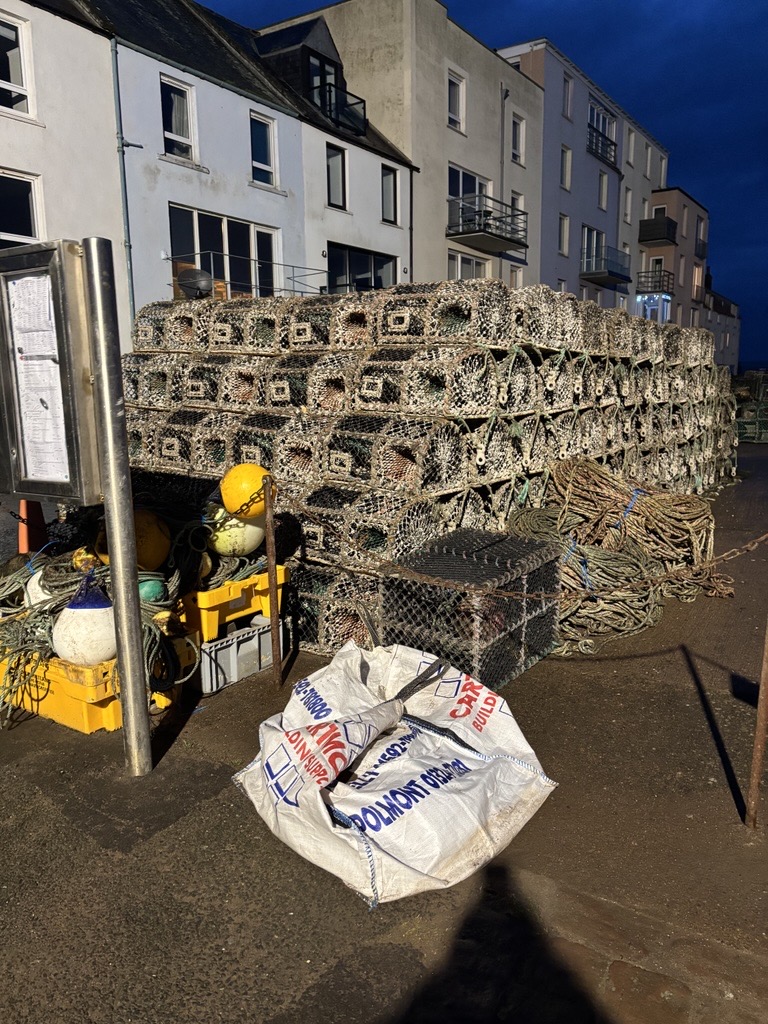
Plastic pollution is a growing threat to Scotland’s marine environment, harming wildlife and damaging fragile ecosystems. Every year, thousands of tonnes of plastic waste end up in Scottish waters, much of it washing ashore on remote beaches and rocky coastlines. The North Sea and Atlantic currents carry plastic debris, including fishing gear, bottles, and microplastics, which can take hundreds of years to break down.
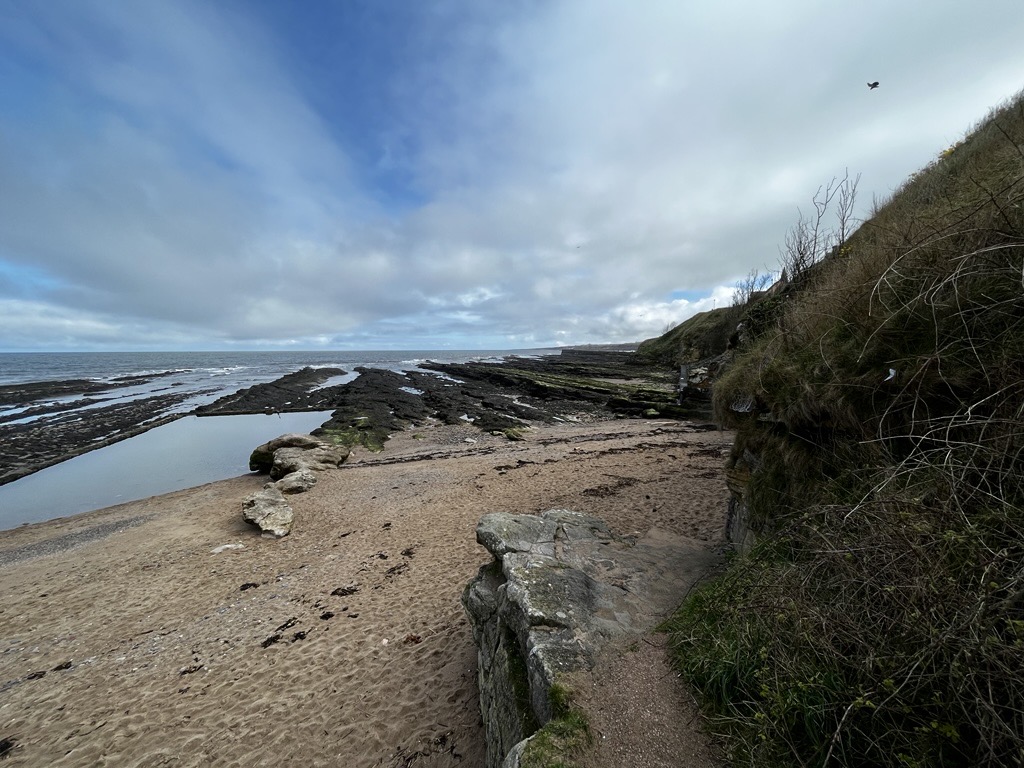
Marine animals such as seabirds, seals, and dolphins are particularly vulnerable. Many mistake plastic for food, leading to starvation and internal injuries, while others become entangled in discarded fishing nets, a problem known as “ghost fishing.” Studies have shown that Scotland’s seabird populations, including puffins and gannets, often ingest plastic, threatening their survival.
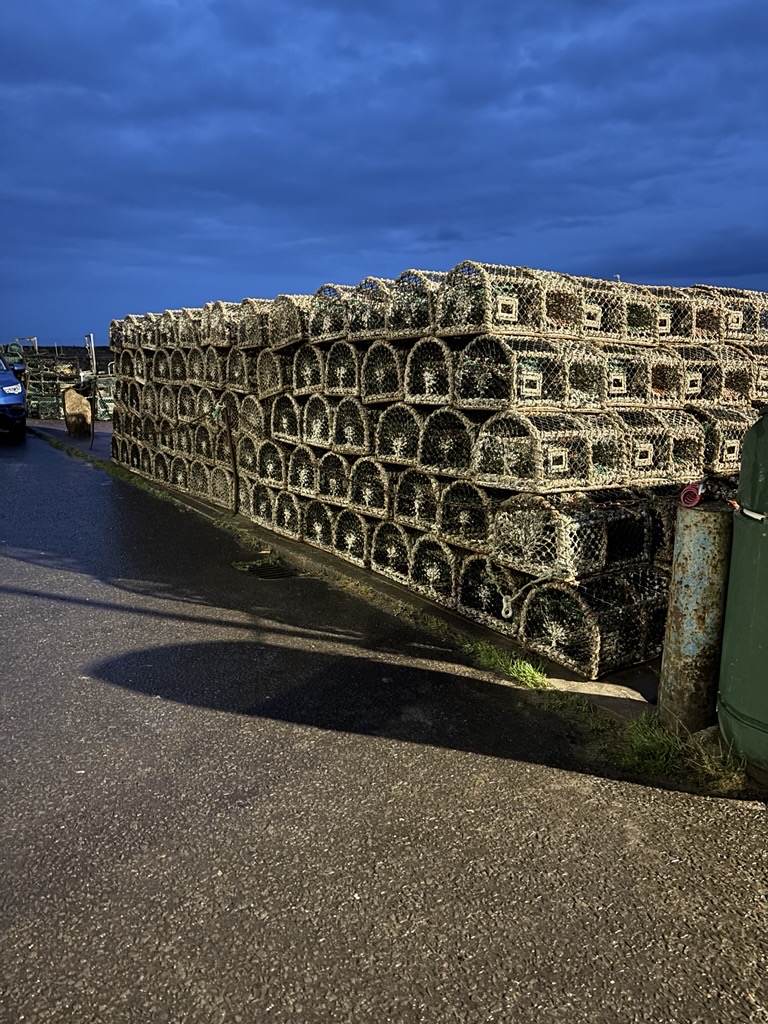
With initiatives like beach clean-ups, plastic reduction policies, and increased recycling efforts, Scotland is working to tackle this crisis. Protecting our seas from plastic pollution is crucial for preserving marine biodiversity and ensuring a healthier ocean for future generations.
Oil Pollution
Oil pollution poses a significant threat to Scotland’s rich marine environment, affecting species and habitats along its coastline. The North Sea, home to diverse marine life, is particularly vulnerable to oil spills caused by tanker accidents, pipeline leaks, or offshore drilling incidents. Once released, oil spreads rapidly through ocean currents, contaminating vast areas and leaving behind harmful residues like tar balls that can persist for years.
Scotland’s marine ecosystem relies on a delicate balance, but oil pollution disrupts it by reducing phytoplankton production and affecting the reproduction of invertebrates, which form the foundation of the food web. Marine animals, including seabirds, seals, and fish, suffer greatly as oil coats their bodies, making it difficult to regulate temperature, move, and feed. The toxic chemicals in oil can also lead to poisoning and suffocation. Following the Braer oil spill off the Shetland coast in 1993, local wildlife suffered severe losses, highlighting the devastating impact oil spills can have on Scotland’s marine biodiversity.
Protecting Scotland’s seas from oil pollution is vital for preserving its unique marine life. By supporting conservation efforts and sustainable practices, we can help safeguard our oceans for future generations.

How To Help
Simple actions, big impact—discover ways you can protect our oceans today!
1. Stop using plastic straws
In the USA and UK over 550 million plastic straws are thrown away each day!
2. Stop using plastic bottles
Drink beverages from reusable bottles or mugs. Worldwide, over 500 million plastic bottles are used everyday!
3. Use Reusable bags, instead of plastic
Worldwide up to 1 trillion plastic bags are discarded every year.
4. Switch to cloth nappies
Over 27 billion nappies are thrown away each year.
Skip disposable Razors
Over 2 billion razors are discarded every year.
Give up chewing gum
Its made of synthetic rubber, which is plastic. Worldwide over 100,000 tons are discarded each year.
Stop using plastic on your face
There are over 300,000 plastic beads in a tub of facewash.